
Things to Do in Colombia in April
April weather, activities, events & insider tips
Shoulder Season · Good Value
April Weather in Colombia
Long-run averages for April in Bogota
67°F (19°C)
High Temp
49°F (9°C)
Low Temp
4.6 inches (117 mm)
Rainfall
81%
Humidity
16
Rainy Days
16
Sunny-Day UV
⚠ Very high UV on sunny days: use sunscreen and seek shade at midday
Is April Right for You?
Weigh the advantages and considerations before booking
Advantages
- + April hits the shoulder season. You'll find thinner crowds at major sites than during the December-January crush, at the Salt Cathedral of Zipaquirá and along the Cocora Valley trails.
- + Colombia's weather balances surprisingly well this month. Bogotá gets its showers, sure. But the Caribbean coast around Cartagena and Santa Marta stays dry and sunny, prime for beach time. The coffee region hits ideal temperatures for walking among wax palms.
- + This is your final chance to trek the Andes before May's heavier rains arrive. Prime month for the Lost City or hiking páramo ecosystems. The trails stay firm. Later seasons turn them slick.
- + Seasonal fruits peak now. Lulo, guanábana, and mangosteen fill the markets. Tart, creamy, and sweet. They cut through the savory arepas and bandeja paisa you'll devour.
Considerations
- − Bogotá's April weather turns on a dime. Four seasons in one day. Brilliant morning sun. Then cold, persistent drizzle by afternoon. It soaks through thin jackets. Everyone scrambles for cover.
- − Those 16 rainy days in the capital mean business. Proper showers lasting hours. La Candelaria's cobblestones turn treacherous. Flights over Medellín get grounded. Rural paths turn to mud.
- − April catches the tail end of high season for domestic travel. Easter (Semana Santa) sometimes falls here. When it does, domestic flight prices spike. Colombian families book Villa de Leyva solid.
Best Activities in April
Top things to do during your visit
April in Colombia is transition. The light softens. The land feels saturated, heavy with water waiting to fall. Temperatures settle at a pleasant nineteen degrees Celsius by day, dropping to nine at night. That range demands a light sweater after dark. Rainfall hits its annual peak near five inches, though the showers rarely last. They arrive as afternoon bursts. The air smells of damp earth. The vegetation drinks and glistens. Then the skies clear. Cool evenings follow. Life moves unhurried. The climate sets the rhythm, not a packed calendar of public events. Cafes fill with chatter. Plazas pulse with ordinary routines. Visitors get Colombia at its most intimate, a country simply going about its business. For travelers weighing the best time to visit Colombia, April offers something specific. The weather patterns are reliable: warmth, then rain, then clear skies again. Daily plans shape themselves around this. Peak season crowds are absent. You can wander without pressure. Settle into the deep green of the coffee region after a morning shower. Feel tropical breezes in Cartagena carrying the scent of rain to come. Safety concerns dissolve when you embrace local rhythms, stick to established attractions, and use reputable services. Common sense is your most valuable guide. The things to do in Colombia aren't diminished by April's weather. They're framed by it. Seek shelter in busy markets and watch rain drum on corrugated roofs. Enjoy the radiant light that follows each cloudburst.
Coffee, Cocoa, and Waterfall Tour
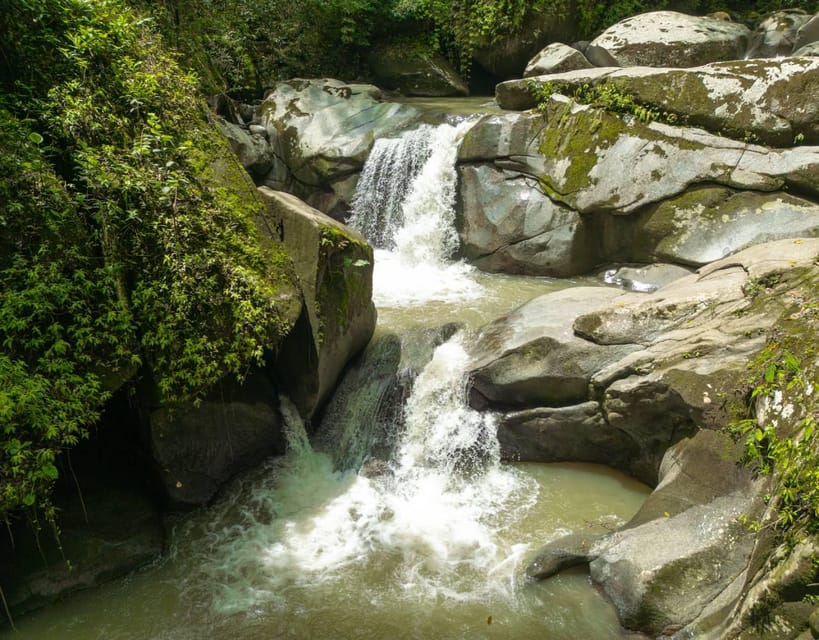
guided_experienceThis guided experience examines Colombia's agricultural soul, far from generic plantation tours. You'll touch waxy coffee leaves under misty skies. You'll hear wooden pilons pounding cocoa beans. You'll taste startlingly acidic pulp straight from the pod. The day ends at a rushing waterfall. Cool spray hits your skin. You sip the cup you helped brew. The contrast is complete.
It connects you directly to land and labor behind two well-known exports in one flowing narrative.
Insider tip: Wear shoes with serious grip. Paths to the waterfall get slick and muddy, after morning rain.
This month: Regular April afternoon rains mean the waterfall runs full and powerful, surrounded by deep, radiant green foliage.

Cartagena Efoil FliteBoard Baru con transport y daypass
otherThis isn't a typical boat trip. It is near-silent flight above jewel-toned Caribbean water. After brief training, you stand on a hydrofoil board. The motor hums. It lifts you above turquoise water. Salt breeze hits your face. You glide past mangrove islands. Sandy seabeds show through clear waves below. Transport and a beach club day pass on Barú are included. Contrast the thrill of foiling with white sand between your toes.
It has a completely novel perspective on the Cartagena coastline, merging modern technology with pristine natural beauty.
Insider tip: Apply reef-safe sunscreen thoroughly. You'll be fully exposed to sun and reflective water throughout your flight time.
Minca Coffee, Cocoa, and Waterfall Full-Day Trip
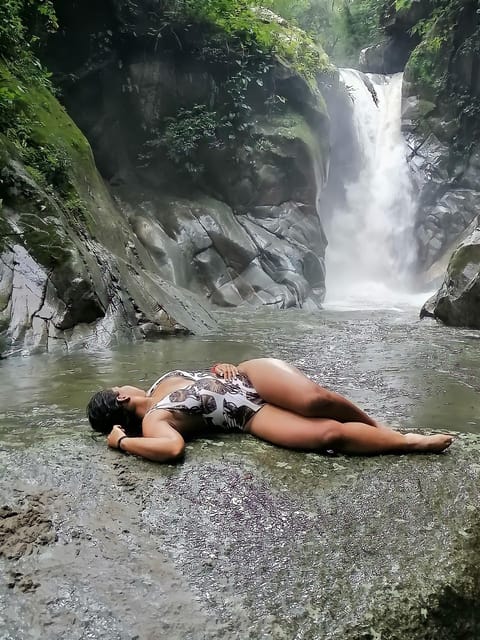
day_tripThis full-day immersion takes you into the Sierra Nevada de Santa Marta's foothills. The air feels cooler. It smells of rich soil and blooming flowers. You'll tour a shaded coffee farm, a river gurgling nearby. You'll watch cocoa transform from bean to thick, aromatic paste. Taste it from a wooden spoon. The journey includes a cascading waterfall. Feel the invigorating shock of cool pool water. A traditional lunch grounds everything in regional flavors.
It combines ecological variety, hands-on culinary tradition, and impressive landscape into one complete escape from coastal heat.
Insider tip: Pack a dry bag or plastic sleeve for phone and wallet. The waterfall hike involves stream crossings, and humidity seeps into everything.
This month: Increased April rainfall ensures the forest around Minca stays lush and waterfalls run at their most dramatic.

Cartagena Food Adventure: 10 Dishes, Street Food & Sit-Down stops
foodThis tour bypasses predictable restaurants. It charts a course through Cartagena's real culinary engine. You'll hear beef sizzling on roadside planchas for arepas. You'll smell pungent fresh coriander in ceviche leche de tigre. You'll taste complex sweetness from tropical fruits you cannot name. Your guide decodes the stories behind each bite. The progression moves from busy street stalls to a cherished local comedor. The city's character reveals itself through its plates.
It is a curated crash course in the depth and history of Colombian food, far beyond standard tourist menus.
Insider tip: Come hungry. Pace yourself. The ten dishes are substantial. Skipping one means missing a key chapter.

Private Airport Transfer to Hotel or viceversa
transportAfter a long flight, relief is immediate. Your name on a placard in arrivals. This service provides an easy, air-conditioned transition. Feel the firm comfort of dedicated vehicle seats. Watch Colombia's initial panorama slide past your window. No haggling. No uncertainty. The driver's local knowledge often delivers your first off-the-record neighborhood tips.
It eliminates initial arrival stress in a new country, offering safety, reliability, and a direct start to your adventure.
Insider tip: Have a screenshot ready. Hotel name and address in Spanish. Some smaller properties aren't immediately recognized without precise spelling.

Thursday Night Bar Crawl in Cartagena, Colombia
walking_tourThis walking tour taps into Cartagena's specific weekly energy. Thursday night is prelude to the weekend. You'll move from warm, lively chatter in a historic courtyard bar, tasting sharp citrus in a well-made local rum cocktail, to thrumming bass at a rooftop lounge overlooking the illuminated colonial skyline. Humid night air mixes with cool condensation on your glass. It is a social passport to venues and people you might not access alone.
It efficiently unlocks the layered nightlife of the walled city and Getsemaní with a curated social group, good for solo travelers or small groups.
Insider tip: Wear comfortable walking shoes. The cobblestone streets are charming but unforgiving in heels or stiff soles. The route covers significant ground.
Where to Stay in Colombia in April
Hand-picked hotels across price tiers for April travellers.

Public Holidays in April
Dates that affect opening hours, transport and crowds
Jueves Santo
Known in English as Maundy Thursday. Observed nationwide as a public holiday.
Viernes Santo
Known in English as Good Friday. Observed nationwide as a public holiday.
Packing Checklist
Bookmark this page — your progress is saved between visits
Need the full list with shopping links?
Climate-specific gear, brand recommendations, and what to leave at home.
View Colombia Packing List →Essential Tips
Insider knowledge and common pitfalls to avoid
Insider Knowledge
Locals deal with Bogotá's April showers by embracing the 'sobremesa', the long, lingering chat at the table after a meal. Plan a long lunch at a classic spot like La Puerta Falsa when the rain starts. It is part of the experience.
For the best seasonal fruit, skip the supermarket and head to a local mercado campesino (farmers' market). Ask for a 'salpicón', a fruit cocktail often sold in cups, or try the tart 'lulo' juice, which is at its best now.
If Easter (Semana Santa) falls in April, it is a fascinating but crowded time to visit. Popayán's nighttime processions are world-famous, but book everything a year in advance. For a quieter alternative, smaller towns like Barichara have equally poignant, local ceremonies.
This is a great month for birdwatching in Colombia, as many species are active before the heaviest rains. Even in Bogotá's Parque Nacional, you can spot hummingbirds and tanagers with a modest pair of binoculars.
Avoid These Mistakes
Packing for a single climate. Colombia has three Cordilleras of the Andes, a Caribbean coast, and Amazon basin. Your packing list for Bogotá will be useless in Cartagena, and vice-versa. Plan a layered wardrobe.
Underestimating travel times between regions. A flight from Bogotá to Cartagena is quick, but a road trip from Medellín to the coffee zone can take half a day on winding mountain roads. Do not try to cram too many regions into a short trip.
Scheduling tight connections based on fair-weather assumptions. An afternoon flight out of Bogotá? Give yourself a huge buffer. Rain can cause major traffic delays getting to El Dorado Airport.
Ready to plan your trip to Colombia?
Now that you've got the research covered, here's where to go next.
Explore More Activities in Colombia
Didn't see anything interesting yet?
Browse Viator's full catalog of tours, day trips, food experiences, and private guides in Colombia.
See All Colombia Tours on Viator