
Things to Do in Colombia in December
December weather, activities, events & insider tips
Shoulder Season · Good Value
December Weather in Colombia
Long-run averages for December in Bogota
67°F (19°C)
High Temp
45°F (7°C)
Low Temp
2.4 inches (61 mm)
Rainfall
80%
Humidity
9
Rainy Days
13
Sunny-Day UV
⚠ Watch for intense UV radiation at altitude. Clearer skies and thinner atmosphere amplify exposure. Sun protection is mandatory. No exceptions.
Is December Right for You?
Weigh the advantages and considerations before booking
Advantages
- + Bogotá's weather in December is likely the year's most predictable. Crisp mornings give way to sunny afternoons. You can see the mountains that frame the city. This clarity is rare after months of heavier rains.
- + The coast is dry. Cartagena's stone walls radiate heat you feel on your skin. Santa Marta's Tayrona National Park trails turn from muddy slogs to firm, walkable paths underfoot.
- + This is peak fiesta season across the country. Neighborhood parrandas fill Medellín's Comuna 13. Candlelit processions wind through Popayán. The air smells of beeswax and fried empanadas.
- + Hotel rates tend to be lower than the European-style peak of July and August. Book before the holiday rush kicks in mid-month. Prices climb then.
Considerations
- − The entire country shuts down from December 24th through January 2nd. This sounds festive. You will need a pharmacy or a bus ticket eventually. Plan all major travel and bookings around this national pause.
- − Internal flights and the nicer coastal hotels fill up fast. New Year's is worst. Last-minute deals are nonexistent. Commit weeks, if not months, ahead.
- − That pleasant Bogotá sun is deceptive. The altitude means UV radiation burns you in under an hour. Temperatures plummet the moment the sun dips behind the Andes. First-timers consistently underestimate this shift.
Best Activities in December
Top things to do during your visit
Colombia in December settles into a temperate rhythm distinct from its wetter spring and autumn months. The air carries a crispness, with average highs a mild 67 degrees Fahrenheit and lows dipping to a cool 45. With average rainfall of 2.4 inches, it is notably drier than the persistent showers of April or the heavy downpours of October, making it a favorable window for outdoor exploration. Across Colombia, this drier spell encourages long days wandering cobblestone streets and open-air excursions without the constant consideration for an umbrella. While no major festivals are confirmed for the month, the clement weather often finds locals and visitors alike gravitating toward plazas, mountain trails, and coastal promenades under expansive, often clear skies. For travelers planning a trip, December has a sweet spot in Colombia's climate calendar. It is warmer and drier than the Andean highlands in January. Yet avoids the peak humidity that can accompany the coastal rainy seasons. This makes it an opportune time to sample the staggering variety of Colombia's landscapes and urban energy, from the fragrant coffee fincas to the historic fortresses overlooking the Caribbean. It is a month for sensory discovery, from the sizzle of street food on a Cartagena corner to the echoing chorus of birds deep in a cloud forest.
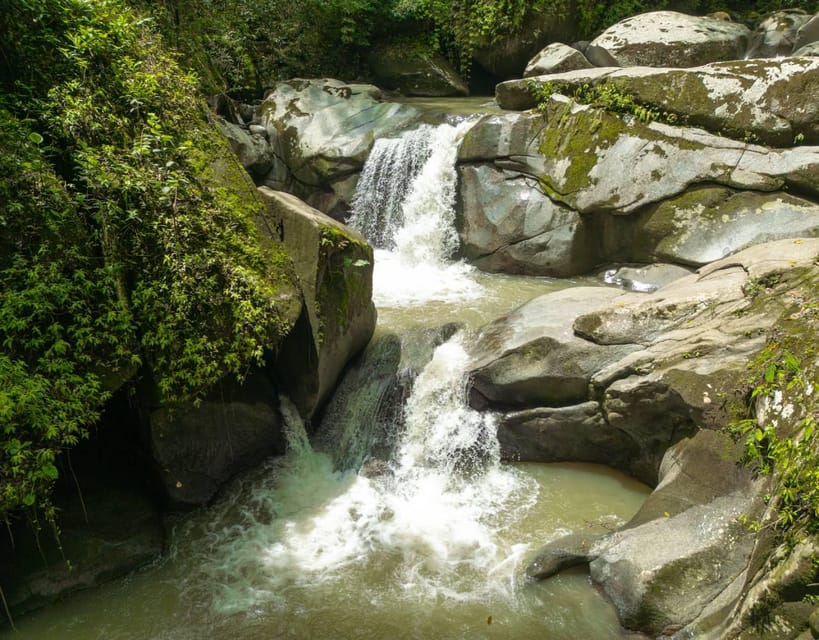
Coffee, Cocoa, and Waterfall Tour
guided_experienceSpend a day immersed in the agricultural soul of the Colombian countryside, walking through shaded plantations where glossy coffee cherries and lumpy cocoa pods grow. You'll feel the coarse texture of the bean between your palms before tasting the final, complex results, and hear the roar of a waterfall where you can dip your feet into cool, clear pools. This guided experience connects the journey from plant to cup with tangible, hands-on clarity.
It transforms the abstract idea of Colombian coffee into a full sensory encounter, from the earthy smell of wet fermentation to the bright, tangy taste of a freshly brewed sample.
Insider tip: Wear sturdy, closed-toe shoes that can handle muddy paths and bring a small bag to carry any coffee or cocoa beans you might purchase directly from the farm.

The Howling Trail Hike
adventureThis is a physically engaging adventure that leads you through dense, mist-cloaked forests where the air feels thick and cool. The trail's name comes from the haunting calls of howler monkeys that reverberate through the canopy, a sound that is both eerie and profoundly wild. You will see towering trees draped in moss and feel the challenging incline of the path underfoot.
The primal chorus of howler monkeys provides a memorable acoustic backdrop to a rigorous hike through pristine Andean or cloud forest ecosystems.
Insider tip: Prioritize fitness before this trip, as the trail involves significant elevation gain, and bring a high-quality rain jacket as mountain weather can shift suddenly.
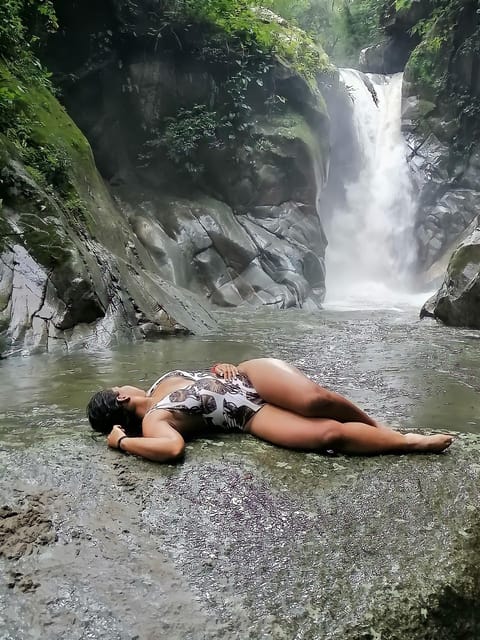
Minca Coffee, Cocoa, and Waterfall Full-Day Trip
day_tripJourney into the Sierra Nevada de Santa Marta foothills to the village of Minca, where the humid air carries the sweet scent of blooming flowers and roasting coffee. This full-day trip expands on the farm experience, often including visits to multiple producers, a lunch of local fare, and a swim under a powerful waterfall where you can feel the spray on your skin.
It combines the look at of a farm tour with the relaxed, bohemian atmosphere of Minca itself, offering a complete taste of the region's pace and produce.
Insider tip: Pack a swimsuit and quick-dry towel in your daypack, and be prepared for a bumpy ride on the mountain roads leading into the village.

Cartagena Efoil FliteBoard Baru con transport y daypass
otherEscape the city walls for the turquoise waters off the Isla Barú coast, where you will glide above the sea on a nearly silent electric hydrofoil. The experience is one of weightless flight, with the wind in your hair and the sun warming your shoulders, offering a view of Colombia's coastline from an entirely new perspective. You will see the water flash beneath your board and hear only the soft hum of the motor.
It swaps the historical streets for a modern, adrenaline-filled aquatic adventure on some of the Caribbean's most inviting waters.
Insider tip: Confidence in the water is key. While you don't need to be an expert swimmer, comfort with the ocean will help you relax and enjoy the learning process.

Cartagena Food Adventure: 10 Dishes, Street Food & Sit-Down stops
foodThis tour is a deliberate crawl through the layers of Cartagena's culinary identity, from sizzling arepas on a street cart to sophisticated plates in a courtyard restaurant. You will taste the smoky sweetness of grilled meat, the tangy shock of ceviche leche de tigre, and the creamy texture of a well executed coconut rice. The guide provides context, turning each bite into a story of African, Indigenous, and Spanish influence.
It efficiently curates a cross-section of the city's essential flavors, granting access to hidden spots and expert commentary a solo traveler would likely miss.
Insider tip: Come with an empty stomach and wear comfortable walking shoes, as the route winds through Getsemaní and the Old City, navigating uneven stones and lively plazas.

Private Airport Transfer to Hotel or viceversa
transportAfter the controlled chaos of an airport arrival or the last-minute rush for a departure, this service provides a smooth, pre-arranged link. You will be greeted with a name sign, feel the relief of air-conditioned comfort, and watch the landscapes of Colombia transition from urban sprawl to mountainous vistas or coastal flats without the hassle of negotiation or confusion.
It eliminates the significant initial stress of arrival logistics or the worry of missing a flight, allowing your visit to Colombia to begin or end in calm comfort.
Insider tip: Confirm your flight details with the operator the day before, if arriving internationally, as delays can affect pickup timing.
Where to Stay in Colombia in December
Hand-picked hotels across price tiers for December travellers.

Public Holidays in December
Dates that affect opening hours, transport and crowds
La Inmaculada Concepción
Known in English as Immaculate Conception. Observed nationwide as a public holiday.
Navidad
Known in English as Christmas Day. Observed nationwide as a public holiday.
La Inmaculada Concepción
Known in English as Immaculate Conception. Observed nationwide as a public holiday.
Navidad
Known in English as Christmas Day. Observed nationwide as a public holiday.
La Inmaculada Concepción
Known in English as Immaculate Conception. Observed nationwide as a public holiday.
Navidad
Known in English as Christmas Day. Observed nationwide as a public holiday.
Packing Checklist
Bookmark this page — your progress is saved between visits
Need the full list with shopping links?
Climate-specific gear, brand recommendations, and what to leave at home.
View Colombia Packing List →Essential Tips
Insider knowledge and common pitfalls to avoid
Insider Knowledge
Skip overpriced hotel parties on New Year's Eve. Buy a dozen grapes. Wear yellow underwear for luck. Join crowds in a main plaza like Parque de los Periodistas in Cartagena at midnight. Homemade fireworks explode overhead. Pure magic.
The week between Christmas and New Year's kills business but blesses road trips. Rent a car. Hit the Coffee Axis. Winding roads empty out. Viewpoints like Valle de Cocora feel private. Savor the solitude.
Hunt seasonal treats. Buñuelos and natilla appear on every corner. The best ones hide in unmarked houses with handwritten window signs. Follow the locals.
Watch your back on December 28th, Día de los Inocentes. Media and friends unleash elaborate jokes. It's Colombia's April Fools' Day. Too good to be true? It is.
Avoid These Mistakes
Never underestimate travel times. Bogotá to Cartagena flies fast. The 20 km (12.4 mile) airport-to-walled-city drive crawls over an hour in December traffic. Pad your schedule.
Don't pack only for warm weather. Altitude drives Colombia's climate, not latitude. Layer for Bogotá's spring days and cold nights. Pack light cotton for coastal humidity. Expect both.
Resist the urge to cover everything. The geography sprawls. Choose two regions, say the Andes and the Caribbean, for a two-week trip. Depth beats breadth.
Ready to plan your trip to Colombia?
Now that you've got the research covered, here's where to go next.
Explore More Activities in Colombia
Didn't see anything interesting yet?
Browse Viator's full catalog of tours, day trips, food experiences, and private guides in Colombia.
See All Colombia Tours on Viator