Things to Do in Colombia in May
May weather, activities, events & insider tips
Shoulder Season · Good Value
May Weather in Colombia
Long-run averages for May in Bogota
66°F (19°C)
High Temp
49°F (9°C)
Low Temp
4.3 inches (109 mm)
Rainfall
84%
Humidity
15
Rainy Days
15
Sunny-Day UV
⚠ Sudden, heavy afternoon downpours are common in the Andes and the Caribbean region. These storms can lead to localized flooding and travel delays on mountain roads. Watch skies. Plan routes.
Is May Right for You?
Weigh the advantages and considerations before booking
Advantages
- + May hits Colombia's Andes at the tail end of dry season. Medellín's eternal spring finally feels like spring. Jacaranda blossoms paint the sidewalks purple. The mountain air stays crisp at 1,500 m (4,921 ft).
- + Coffee harvest wraps up in the Zona Cafetera this month. You can still catch that sweet, fermenting scent. Cherries dry on patios at traditional fincas. June's heavy rains haven't arrived yet.
- + Crowds thin out after the December-January rush. In Villa de Leyva, you hear water trickle through stone aqueducts. No competing tour groups. The main plaza feels almost private.
- + Caribbean spots like Cartagena and Tayrona National Park enter shoulder season. Hotel rates start dropping. The sea stays bath-warm. Trade winds keep blowing.
Considerations
- − Bogotá in May earns its nickname: 'la loca,' the crazy one. Four seasons in a single day. Chilly fog at dawn. Brief sun. Then torrential afternoon rain turns sidewalks into rivers. Evenings stay cool and damp. Packing becomes a puzzle.
- − Rainy season begins in the Amazon basin around Leticia. River levels rise. Canoe access to flooded forests improves. Trails in Amacayacu National Park turn muddy. Insect populations peak.
- − Domestic travel still spikes. The May 1st Labor Day long weekend fills flights and buses fast. Routes between Bogotá, Medellín, and Cartagena book up. Prices jump temporarily.
Best Activities in May
Top things to do during your visit
May in Colombia hits a sweet spot. The days sit temperate, with average highs around 66 degrees Fahrenheit. Mountain air carries fresh coolness just after dawn. This is the tail end of the primary rainy period for much of the country. You might catch brief, intense showers. They bring deep green vibrancy to the Andean landscapes. Then skies clear. The light seems sharp. More about steady, daily life in cities and countryside. The climate invites full days of exploration. No intense heat of the coast. No deeper chills of high-altitude winter. For those weighing the best time to visit Colombia, May has a compelling balance. You get lush results of the April rains. The drier, busier peak tourist months are still on the horizon.
Coffee, Cocoa, and Waterfall Tour
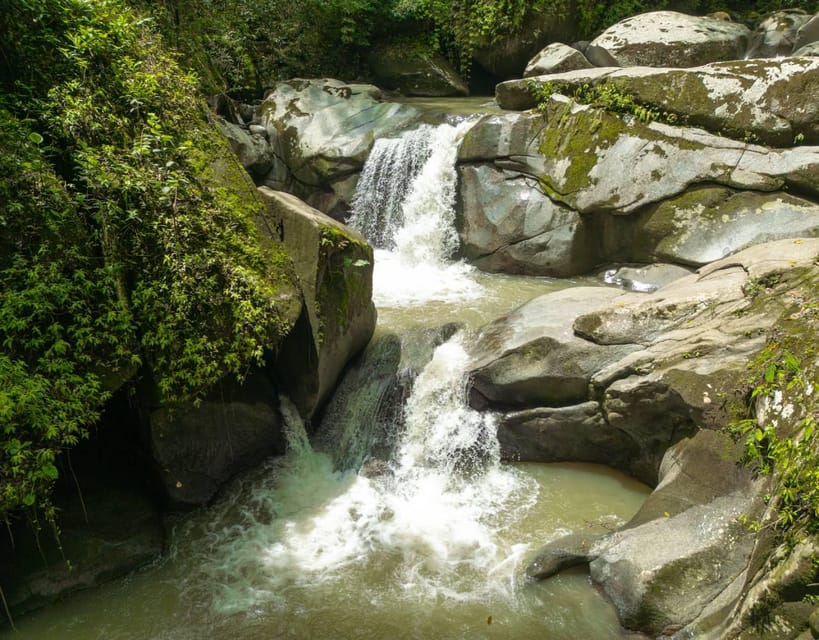
guided_experienceThe Coffee, Cocoa, and Waterfall Tour drops you into the agricultural heart of Colombia's Zona Cafetera. You will walk through working fincas. Touch the waxy leaves of coffee plants. Inhale the sweet, fermenting scent of cocoa pods before they are roasted. The experience culminates in a cascading waterfall. Its mist cools the skin after a morning in sun-dappled fields.
This tour connects you directly to the source of Colombia's most famous exports. You get a tangible understanding of the journey from plant to cup.
Insider tip: Wear sturdy, closed-toe shoes that can handle muddy paths. Bring a lightweight rain jacket. Passing showers are common in the hills.

Cartagena Efoil FliteBoard Baru con transport y daypass
otherThe Cartagena Efoil FliteBoard Baru con transport y daypass delivers modern adventure against a timeless Caribbean backdrop. You will feel the board hum beneath your feet as you glide above turquoise waters. Hear the splash of the wave. Hear the call of seabirds. The lush mangrove-lined shores of Isla Barú sit in the distance.
It provides a uniquely silent and exhilarating perspective of the Cartagena coast. Modern technology meets the region's natural beauty.
Insider tip: Apply strong, water-resistant sunscreen thoroughly before departure. Reflection off the water intensifies the sun's effect.
Minca Coffee, Cocoa, and Waterfall Full-Day Trip
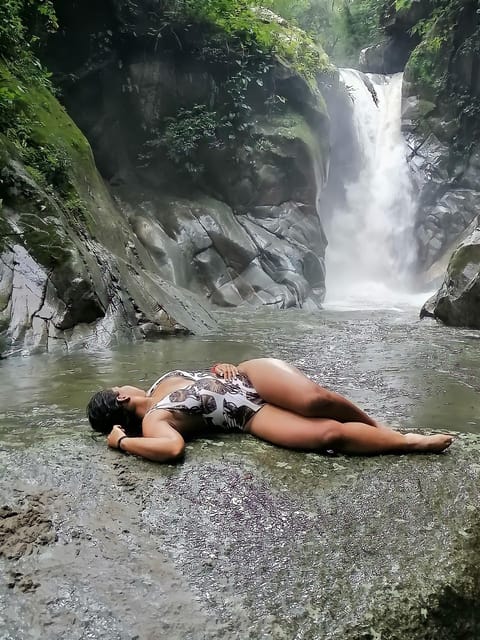
day_tripThe Minca Coffee, Cocoa, and Waterfall Full-Day Trip takes you deep into the Sierra Nevada de Santa Marta. The air grows cooler. Thick with the scent of wet earth and blooming flowers. You will taste small-batch coffee brewed over an open fire. Feel the sticky texture of fresh cocoa fruit. Stand beneath a powerful waterfall. The roar of water fills a natural pool.
This day-long journey captures the ecological variety of the Colombian tropics. From cloud forest farms to rushing jungle rivers.
Insider tip: Pack a swimsuit and quick-dry towel in your daypack. The chance to swim in the natural pool beneath the waterfall is the perfect reward after the hike.

Cartagena Food Adventure: 10 Dishes, Street Food & Sit-Down stops
foodThe Cartagena Food Adventure: 10 Dishes, Street Food & Sit-Down stops is a curated passage through the city's culinary identity. Expect to bite into crispy, golden arepas de huevo from a street cart. Savor the complex, slow-cooked flavors of a coconut-based seafood stew. Finish with the tangy sweetness of fresh mango biche sprinkled with salt and lime.
It expertly navigates the gap between busy street stalls and cherished local restaurants. You get a complete and authentic taste of Cartagena.
Insider tip: Come exceptionally hungry. Pace yourself. The sheer quantity and richness of the dishes are a delightful challenge.

Private Airport Transfer to Hotel or viceversa
transportThe Private Airport Transfer to Hotel or viceversa offers an easy first or last impression of Colombia. After the bustle of baggage claim, you will be greeted with a placard. Ushered into a clean, air-conditioned vehicle. Driven through the cityscape. Watch the urban scene transition from airport periphery to your final neighborhood.
It eliminates the potential stress and negotiation of arrival. You get a reliable and comfortable transition into your visit.
Insider tip: Confirm your flight details with the operator the day before. Ensure they track any delays. This guarantees a smooth meet-up.

Thursday Night Bar Crawl in Cartagena, Colombia
walking_tourThe Thursday Night Bar Crawl in Cartagena, Colombia, taps into the city's weekly social crescendo. You will move from one intimate venue to the next. Hear the clink of ice in glasses. Feel the warm, humid night air mix with the cool blast of air conditioning. Taste a variety of local rums and inventive cocktails.
It has a structured yet social way to experience the energetic pulse of Cartagena's nightlife alongside fellow travelers.
Insider tip: Wear comfortable walking shoes suitable for cobblestone streets. Carry small bills for easier tipping at each stop.
Where to Stay in Colombia in May
Hand-picked hotels across price tiers for May travellers.

Public Holidays in May
Dates that affect opening hours, transport and crowds
Primero de Mayo
Known in English as Labour Day. Observed nationwide as a public holiday.
Ascensión del señor
Known in English as Ascension Day. Observed nationwide as a public holiday.
Corpus Christi
Observed nationwide as a public holiday.
Primero de Mayo
Known in English as Labour Day. Observed nationwide as a public holiday.
Ascensión del señor
Known in English as Ascension Day. Observed nationwide as a public holiday.
Packing Checklist
Bookmark this page — your progress is saved between visits
Need the full list with shopping links?
Climate-specific gear, brand recommendations, and what to leave at home.
View Colombia Packing List →Essential Tips
Insider knowledge and common pitfalls to avoid
Insider Knowledge
Locals in Bogotá often plan their outdoor activities for the mañanitas. This refers to the early morning hours between 6 AM and 10 AM when the sky is most likely to be clear. Join them for a walk up Monserrate then. You will beat the clouds and the tour buses. Go early. Beat the crowd.
In Medellín, the Metrocable is not just a tourist ride. It is a necessary commute. Ride Line L to Santo Domingo Savio in the late afternoon on a weekday. You will glide over neighborhoods with locals returning home. The view of the city lights coming on as the sun sets behind the mountains is a perspective most visitors miss. Ride daily. Watch the view.
If a sudden downpour catches you in Cartagena's walled city, do not duck into the first crowded bar. Instead, find a portal or the covered walkway along the walls. Wait 20 minutes with the locals. It will almost certainly pass. Leave the city steaming and temporarily crowd-free. Stand still. Watch the rain.
For a seasonal taste, look for lulo fruit. Its tart, citrusy juice is a Colombian staple. But in May it is at its peak. Order a lulada from a street vendor in the Andean regions. It is a slushy, chunky drink often spiked with a shot of aguardiente. Sip slowly. Taste the season.
Avoid These Mistakes
Avoid packing only for spring weather. Colombia's climate is defined by altitude, not latitude. You will need gear for chilly Bogotá nights at 2,640 m (8,660 ft) and for the humid heat of Cartagena at sea level. Bring warm clothes. Pack light layers.
Stop underestimating travel times between regions. A flight from Bogotá to the Amazonian town of Leticia takes over two hours. A bus from Medellín to the coffee town of Salento can take six. Do not try to cram too many climate zones into a short trip. Plan ahead. Save time.
Stop assuming all rain ruins the day. Afternoon showers are often intense but brief. The mistake is not having a flexible plan. Schedule museums, long lunches, or cafe visits for the late afternoon. Keep mornings sacred for outdoor exploration. Stay adaptable. Move quickly.
Ready to plan your trip to Colombia?
Now that you've got the research covered, here's where to go next.
Explore More Activities in Colombia
Didn't see anything interesting yet?
Browse Viator's full catalog of tours, day trips, food experiences, and private guides in Colombia.
See All Colombia Tours on Viator