
Things to Do in Colombia in August
August weather, activities, events & insider tips
Shoulder Season · Good Value
August Weather in Colombia
Long-run averages for August in Bogota
65°F (18°C)
High Temp
47°F (8°C)
Low Temp
1.7 inches (43 mm)
Rainfall
78%
Humidity
14
Rainy Days
15
Sunny-Day UV
⚠ Very high UV on sunny days: use sunscreen and seek shade at midday
Is August Right for You?
Weigh the advantages and considerations before booking
Advantages
- + Bogota's Andean climate hits its sweet spot in August. Daytime highs around 18°C (65°F) let you wander Candelaria's cobblestone streets for hours. No winter bone-chill. No April downpours. Just comfortable walking weather.
- + August falls in the second dry season, locally called 'veranillo de San Juan'. Those 14 days with rain? Usually afternoon affairs. They clear to crisp, golden evenings. Good for rooftop drinks.
- + It's shoulder season for international tourism. You'll find space at Monserrate's summit without the December crush. Cartagena's walled city feels lively but navigable. No elbowing through crowds.
- + Seasonal fruits peak now. Lulo juice everywhere. That citrusy-tart flavor cuts through the midday sun. Guanabana ice cream sells from carts in Medellin's Parque Lleras. Refreshing. Unmistakable.
Considerations
- − That 'dry season' label is relative. Coastal Cartagena and Santa Marta still get humid, sticky afternoons. The sea breeze disappears. The air feels like warm soup. Pack accordingly.
- − August is prime vacation time for Colombians. Domestic flights fill up. Popular national parks like Tayrona can require booking weeks ahead for entry permits. Plan early.
- − The altitude in Bogota and the Coffee Axis still bites at night. Temperatures drop to 8°C (47°F). Many budget accommodations have heating that's more decorative than functional. Bring layers.
Best Activities in August
Top things to do during your visit
August in Colombia delivers a specific climate. It is a break from the persistent rains of spring and a cool prelude to the wetter months ahead. The air in cities like Bogotá is crisp, with temperatures that drop into the forties in the evening. You'll want a light jacket after sunset. With average rainfall lower than most other months, the pattern of afternoon showers common in Colombia can ease. This grants clearer windows for exploration under skies that shift from overcast mornings to patches of pale, high-altitude blue. Locals savor these weeks of relative dryness. Daily life moves outdoors before the heavier autumn rains return. Your time in Colombia can be shaped by this atmospheric shift. Focus on activities best suited to these conditions. The central highlands, the heart of the coffee region, are lush and productive. The Caribbean coast experiences its own rhythm of tropical heat and humidity, punctuated by cooling breezes. Navigating the country requires attention to these regional variations. A single climate summary for Colombia does not tell the full story of a land that spans from Andean peaks to coastal plains.
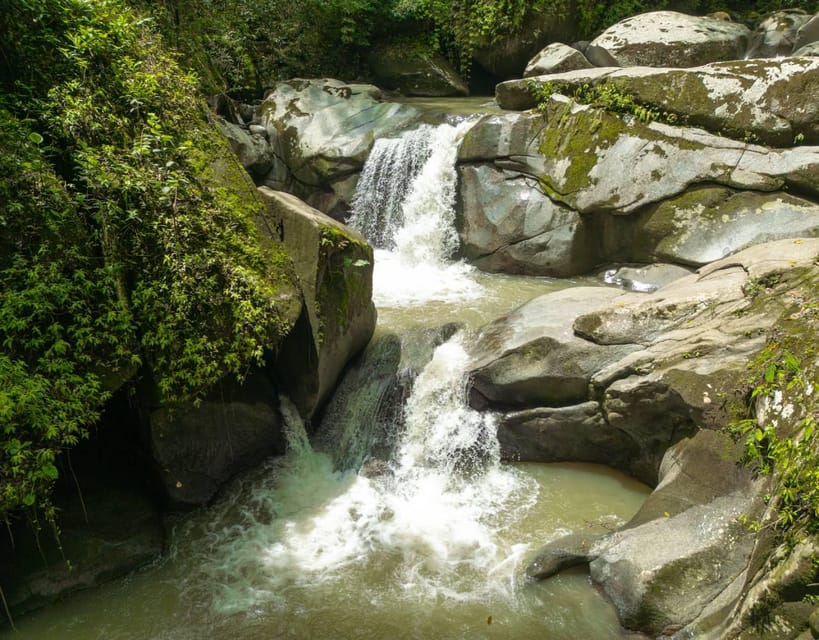
Coffee, Cocoa, and Waterfall Tour
guided_experienceTrek through working farms where the air carries the sweet, fermenting scent of drying cocoa beans and the rich aroma of fresh coffee cherries being pulped. You will stand under the mist of a jungle waterfall, feeling the cool spray on your skin and hearing its constant roar mingle with the calls of tropical birds. This tour connects you directly to the agricultural lifeblood of the hills outside Armenia or Pereira.
It immerses you in the complete sensory journey of Colombia's two most famous exports, from plant to cup or bar.
Insider tip: Wear sturdy shoes with grip that can handle wet, muddy paths and bring a waterproof bag for your camera and a change of clothes.

Cartagena Efoil FliteBoard Baru con transport y daypass
otherGlide silently above the turquoise waters of the Caribbean Sea near Cartagena on a hydrofoil electric board, hearing only the rush of wind and the splash of waves beneath your feet. This experience has a completely new perspective on the coastline, flying over the sea like a seabird with the skyline of the old walled city or the palm-fringed beaches of Barú as your backdrop.
It is a thrilling, emission-free way to experience the coastal beauty of Colombia from an entirely novel vantage point.
Insider tip: Apply a strong, waterproof sunscreen thoroughly before starting, as the reflection from the water intensifies sun exposure.
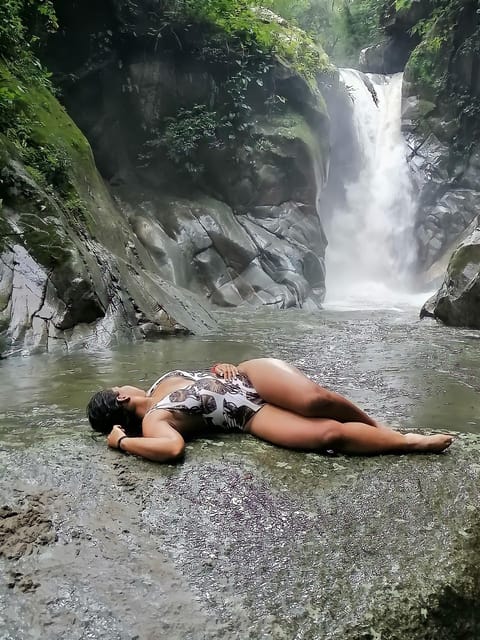
Minca Coffee, Cocoa, and Waterfall Full-Day Trip
day_tripJourney into the Sierra Nevada de Santa Marta foothills to the village of Minca, where hummingbirds buzz around feeders and the constant sound of flowing water from rivers and streams fills the air. You will taste small-batch coffee brewed from beans dried on the farm's own patios and sample dark chocolate made from cocoa harvested just steps away.
This full-day trip delivers a concentrated dose of Colombia's famed coffee culture paired with the pristine natural environment of a mountain ecosystem.
Insider tip: Pack insect repellent for the shaded paths near the waterfalls and coffee plantations.

Cartagena Food Adventure: 10 Dishes, Street Food & Sit-Down stops
foodFollow a knowledgeable guide through the narrow, balconied streets of Cartagena's Getsemaní district, where the sizzle of arepas on street griddles competes with music drifting from open doors. You will taste fried plantains topped with salty cheese, sip tart, fruity limonada de coco, and finish with a rich, slow-cooked posta negra stew in a family-run restaurant.
It provides a structured, safe, and flavorful portal into the complex world of Cartagena's street food and home cooking.
Insider tip: Come very hungry, as the portions across multiple stops are substantial and designed to fully satiate.

Private Airport Transfer to Hotel or viceversa
transportEliminate the hassle of negotiating with taxi drivers upon arrival at El Dorado International Airport in Bogotá, where the high-altitude air is cool and thin. A professional driver meets you with a name sign, helps with luggage, and provides a smooth, pre-paid transfer directly to your accommodation in the city's varied neighborhoods.
It guarantees a stress-free, reliable start or end to your time in Colombia, valuable after a long flight.
Insider tip: Book this for your arrival, as navigating the airport taxi queue while jet-lagged can be overwhelming.

Thursday Night Bar Crawl in Cartagena, Colombia
walking_tourMove with a group through the walled city of Cartagena as twilight deepens, from busy open-air squares where the clatter of dominoes mixes with salsa music to sleek rooftop bars where you can feel the warm, humid night breeze. Each stop has a different atmosphere and an included cocktail, painting a vivid picture of the city's social layers.
It efficiently curates an evening of Cartagena's dynamic nightlife, taking you to venues you might not discover on your own.
Insider tip: Wear comfortable walking shoes, as the route covers cobblestone streets and you will be on your feet between bars.
Where to Stay in Colombia in August
Hand-picked hotels across price tiers for August travellers.

Public Holidays in August
Dates that affect opening hours, transport and crowds
Batalla de Boyacá
Known in English as Battle of Boyacá. Observed nationwide as a public holiday.
La Asunción
Known in English as Assumption of Mary. Observed nationwide as a public holiday.
Batalla de Boyacá
Known in English as Battle of Boyacá. Observed nationwide as a public holiday.
La Asunción
Known in English as Assumption of Mary. Observed nationwide as a public holiday.
Packing Checklist
Bookmark this page — your progress is saved between visits
Need the full list with shopping links?
Climate-specific gear, brand recommendations, and what to leave at home.
View Colombia Packing List →Essential Tips
Insider knowledge and common pitfalls to avoid
Insider Knowledge
The 'veranillo' (little summer) is real but fickle. Locals plan outdoor activities before 2 PM. Clouds build over the Andes after that. Clear sky at breakfast? Go immediately. Don't wait.
For the Flower Festival, skip just watching the parade. Visit the Jardín Botánico exhibition the next day. See silleteros up close. Smell individual flowers. Talk to growers. No crowds.
Domestic airline prices spike on August weekends. Fly Tuesday or Wednesday if possible. You'll save significantly. Shorter queues too. Simple choice.
In Cartagena, avoid the packed walled city beaches. Take a local bus or taxi to Bocagrande. Better yet, head to Castillogrande. Wider sand. Fewer vendors. Same Caribbean water.
Avoid These Mistakes
Don't pack only for 'summer'. Arriving in Bogota with shorts and t-shirts means night shivering. You'll buy overpriced, low-quality sweaters from street vendors. Pack layers instead.
Don't underestimate travel times between regions. A Medellin to Cartagena flight is short. Airport transfers and security eat half a day. Three cities in one week? Too ambitious. Slow down.
Never assume all Colombia shares August's dry weather. The Andes stay stable. The Amazon region (Leticia) hits wet season. Flooded trails. More mosquitoes. Plan accordingly.
Ready to plan your trip to Colombia?
Now that you've got the research covered, here's where to go next.
Explore More Activities in Colombia
Didn't see anything interesting yet?
Browse Viator's full catalog of tours, day trips, food experiences, and private guides in Colombia.
See All Colombia Tours on Viator