
Things to Do in Colombia in July
July weather, activities, events & insider tips
High Season · Book Early
July Weather in Colombia
Long-run averages for July in Bogota
65°F (18°C)
High Temp
47°F (8°C)
Low Temp
1.9 inches (48 mm)
Rainfall
81%
Humidity
12
Rainy Days
14
Sunny-Day UV
⚠ Very high UV on sunny days: use sunscreen and seek shade at midday
Is July Right for You?
Weigh the advantages and considerations before booking
Advantages
- + The Andean highlands, including Bogotá and Medellín, hit their dry season stride in July. Mornings come crisp. Afternoons stay clear. That reliability matters for mountain views and city wandering alike.
- + July sits at the center of Colombia's summer vacation. The cultural calendar runs full. Local festivals, open-air concerts, neighborhood ferias. These events disappear when the rains return.
- + The Caribbean coast sheds its April humidity. Steady trade winds take over. Cartagena's walled city becomes walkable. The Rosario Islands offer prime snorkeling visibility. Finally.
- + Peak season hits the Amazon basin. River levels run high enough for deep navigation into Parque Nacional Natural Amacayacu. Rain stays relatively low. Fewer mosquitoes at dusk. Worth the timing.
Considerations
- − Domestic holiday season means crowded skies. Flights between Bogotá, Medellín, and Cartagena fill weeks ahead. Prices peak for everyone. Locals and visitors pay the same premium.
- − Midday sun in the Tatacoa Desert and Caribbean coast hits hard. Dry, penetrating heat. Pack a hat. Hydrate constantly. This isn't gentle tropical warmth. Prepare accordingly.
- − Guatapé and the Salento coffee region swell with Colombian families. The Piedra del Peñol photo queue forms early. Finca tours need advance booking. Days ahead. Plan for it.
Best Activities in July
Top things to do during your visit
Colombia in July hits a dry interlude. The weather data shows this is one of the drier months of the year, with measured average rainfall dropping to just under two inches, a marked contrast to the persistent showers of the spring months or the heavy downpours that return in October. Daytime temperatures are cool for the tropics, with average highs around 65 degrees Fahrenheit, while nights can dip into the 40s, in the higher altitudes of cities like Bogotá. This shift means the air feels crisp, the skies are often a clear, deep blue, and the landscape remains intensely green from the recent rains. Locals take advantage of this reliable weather window for weekend excursions into the countryside, making it a time of outward movement and activity. The rhythm of July in Colombia is one of clear mornings, afternoon sun, and cool evenings good for gathering in plazas or cozying up in a café with a steaming cup of the local coffee.
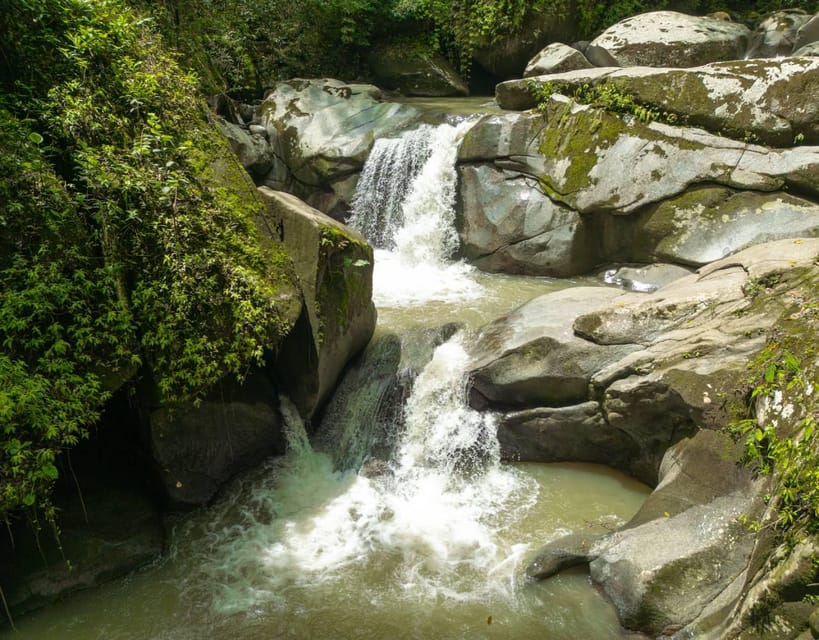
Coffee, Cocoa, and Waterfall Tour
guided_experienceVenture into the verdant hills to witness the journey of Colombia's most famous exports from plant to cup. You will see glossy green coffee cherries and lumpy cocoa pods hanging from shaded trees, smell the earthy aroma of fermenting beans, and taste the profound difference between a freshly brewed single-origin coffee and the thick, bittersweet chocolate paste made from stone-ground local beans. The experience culminates at a cascading waterfall where you can feel the mist from the plunge pool on your skin.
It connects the flavors you savor to the very soil and water of the Colombian landscape.
Insider tip: Wear sturdy shoes that can handle muddy paths and are safe for wading in the shallow pools below the falls.

Cartagena Efoil FliteBoard Baru con transport y daypass
otherGlide silently above the crystalline Caribbean waters off the coast of Barú, propelled by an electric hydrofoil board that rises above the surface. You will hear only the splash of water against the board and feel the steady sea breeze as you look down at schools of fish and coral formations, with the historic skyline of Cartagena, Colombia receding in the distance.
It has a completely novel and serene perspective on the coast, contrasting with the busy energy of the city.
Insider tip: Apply reef-safe sunscreen thoroughly before you go, as you will be exposed to reflected sunlight on the water for the duration.
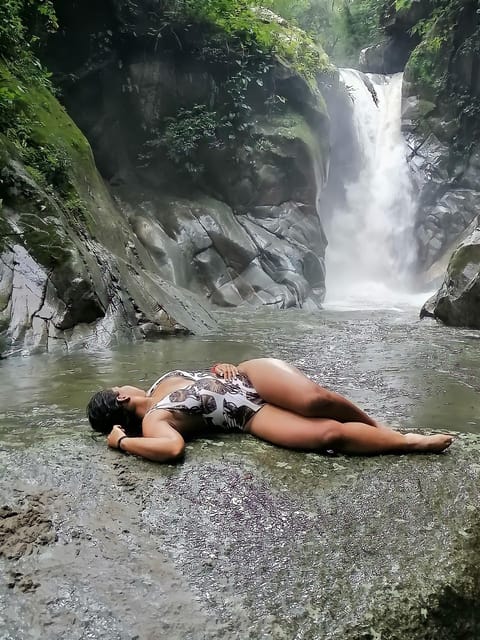
Minca Coffee, Cocoa, and Waterfall Full-Day Trip
day_tripThis immersive day trip takes you deep into the Sierra Nevada de Santa Marta, where the air cools and the scent of blooming flowers mixes with rich coffee roasting. You will touch the coarse bark of shade-grown coffee trees, hear the roar of the Marinka or Pozo Azul waterfalls, and taste cocoa sweetened only with jungle honey before dipping into a natural pool.
It encapsulates the ecological and cultural richness of Colombia's most biodiverse mountain range in a single journey.
Insider tip: Bring a lightweight rain jacket. While July is drier, mountain weather can produce sudden, brief showers.

Cartagena Food Adventure: 10 Dishes, Street Food & Sit-Down stops
foodNavigate the cobblestone streets and busy market stalls of Getsemaní and the Old City to sample the essence of Cartagena's cuisine. Your palate will encounter the tangy bite of ceviche made with just-caught fish, the smoky sweetness of grilled arepas stuffed with cheese, and the complex, slow-cooked richness of a posta Negra beef stew, all while hearing the sizzle from street-side griddles and feeling the warm, humid evening air.
It transforms the city's historic walls and plazas into a dynamic dining room, revealing layers of history and flavor in each bite.
Insider tip: Come very hungry and pace yourself. The portions are generous and the ten dishes add up to a substantial feast.

Private Airport Transfer to Hotel or viceversa
transportAfter a long flight into El Dorado International in Bogotá or arriving at the gate in Cartagena, this service provides an easy, pre-arranged link to your accommodation. You will see the city's first impressions develop from a clean, air-conditioned vehicle, feel the relief of avoiding taxi haggles with luggage in hand, and hear direct advice from your driver about the neighborhood you are entering.
It eliminates the significant stress and uncertainty of arrival logistics in Colombia, for first-time visitors.
Insider tip: Have your exact hotel address, including the neighborhood name, ready to confirm with your driver for the most efficient route.

Thursday Night Bar Crawl in Cartagena, Colombia
walking_tourExplore the animated nightlife of Cartagena's historic center, moving from one distinct venue to another with a local guide. You will hear live Champeta or Salsa music spilling onto the streets, taste a variety of local rum-based cocktails like the postre-like *Ron con Pasas*, and feel the energetic buzz of a tropical Thursday night where the weekend begins early.
It provides curated access to the most atmospheric spots and a built-in social group, good for solo travelers or those looking to understand the local social scene.
Insider tip: Carry a mix of Colombian pesos in smaller denominations for quick tip payments to bartenders and for purchasing extra drinks not included in the crawl.
Where to Stay in Colombia in July
Hand-picked hotels across price tiers for July travellers.

Public Holidays in July
Dates that affect opening hours, transport and crowds
San Pedro y San Pablo
Known in English as Saint Peter and Saint Paul. Observed nationwide as a public holiday.
Día de la Virgen de Chiquinquirá
Known in English as Our Lady of Chiquinquirá Day. Observed nationwide as a public holiday.
Declaracion de la Independencia de Colombia
Known in English as Declaration of Independence. Observed nationwide as a public holiday.
San Pedro y San Pablo
Known in English as Saint Peter and Saint Paul. Observed nationwide as a public holiday.
Día de la Virgen de Chiquinquirá
Known in English as Our Lady of Chiquinquirá Day. Observed nationwide as a public holiday.
Declaracion de la Independencia de Colombia
Known in English as Declaration of Independence. Observed nationwide as a public holiday.
Packing Checklist
Bookmark this page — your progress is saved between visits
Need the full list with shopping links?
Climate-specific gear, brand recommendations, and what to leave at home.
View Colombia Packing List →Essential Tips
Insider knowledge and common pitfalls to avoid
Insider Knowledge
Skip grandstand tickets for the Feria de las Flores. Locals watch the main parade from slopes in neighborhoods like Buenos Aires. Better views. Zero cost. Families sharing snacks surround you.
Book domestic flights immediately after confirming your international ticket. July brings the fiercest competition for air travel within Colombia. Tuesday and Wednesday flights run slightly less chaotic. Act fast.
Skip the famous fincas for coffee tasting. Ask locals in Salento or Jardín about family-run plots. Less polished tours. Genuine conversation. Coffee poured straight from the brewer's personal stash.
Escape Cartagena's midday heat and walled-city crowds. Take a local ferry to Isla Tierra Bomba. Beaches are ordinary. Simple shacks serve fresh fried fish with coconut rice. Fraction of city prices. Breezes Getsemani lacks.
Avoid These Mistakes
Avoid packing only for 'tropical' weather. Bogotá evenings freeze. Colombia holds microclimates. A Bogotá night at 2,600 meters (8,530 ft) shocks after Cartagena heat. Prepare for both.
Never wing accommodations in Guatapé or Salento. Colombians fill these towns in July. No reservation means overpriced, underwhelming rooms far from centers. Book ahead.
Don't underestimate the sun. UV index hits extreme. Sunburn from boating Laguna de Guatapé or walking Cartagena's walls can ruin days. Respect the intensity.
Ready to plan your trip to Colombia?
Now that you've got the research covered, here's where to go next.
Explore More Activities in Colombia
Didn't see anything interesting yet?
Browse Viator's full catalog of tours, day trips, food experiences, and private guides in Colombia.
See All Colombia Tours on Viator